
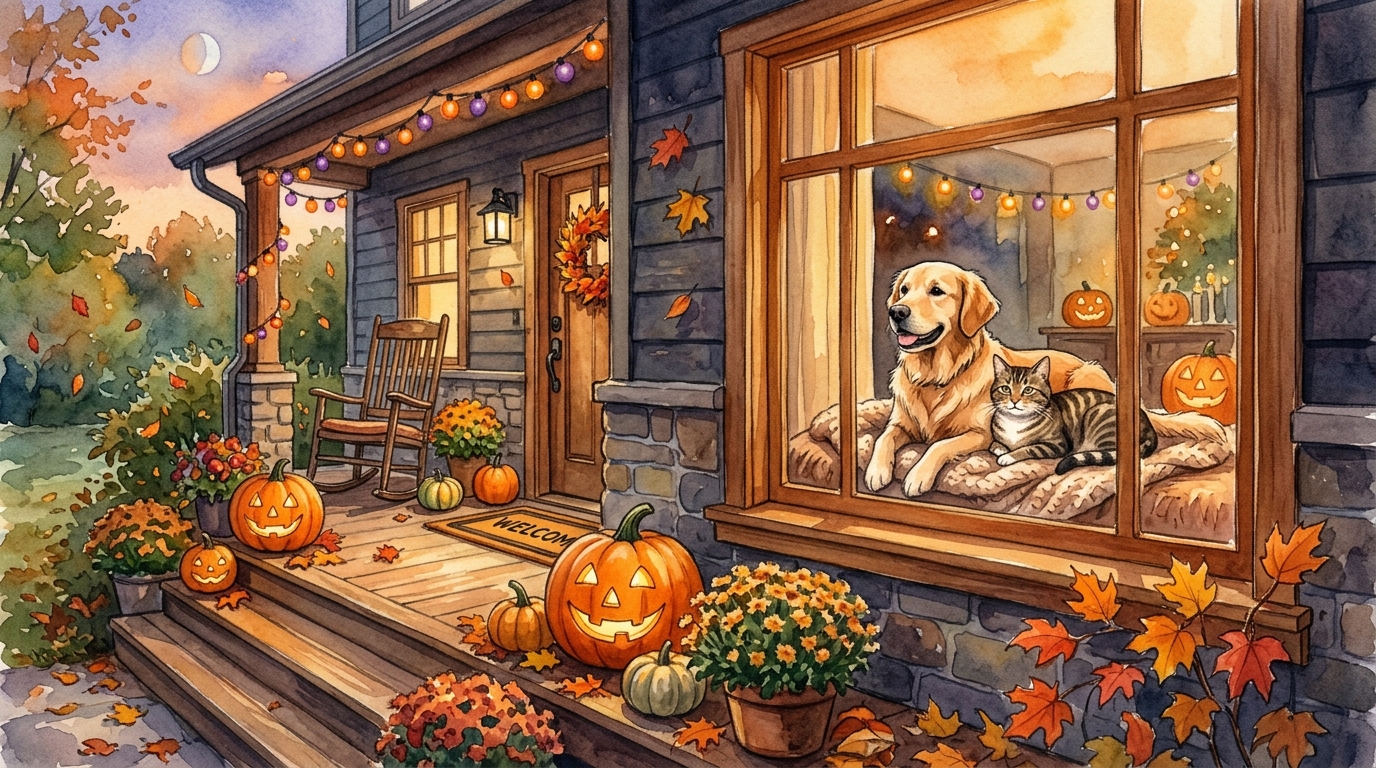
Halloween safety tips for dogs and cats in Illinois homes
Halloween should be full of family fun—not unexpected pet emergencies. A little preparation can help dogs and cats feel secure while your household enjoys costumes, trick-or-treaters, and festive decorations. At Helping Paws Animal Shelter, we believe seasonal pet safety is an important part of lifelong pet wellness, whether your companion has been part of your family for years or was recently adopted.
From keeping candy out of reach to creating a calm retreat away from the doorbell, these practical steps can make Halloween safer and less stressful for every pet.
Choose Pet Costumes With Comfort in Mind
A costume can make for an adorable photo, but it is never required. Some pets enjoy brief, supervised dress-up; others may feel frightened, restricted, or uncomfortable. Watch for signs of stress, such as freezing, trying to escape, flattened ears, tucked tails, panting, hiding, or repeated attempts to remove the costume.
- Choose a lightweight costume that allows normal movement, breathing, vision, hearing, and bathroom breaks.
- Avoid masks, tight elastic, loose pieces, dangling accessories, and small parts that could be chewed or swallowed.
- Let your pet try the costume on before Halloween, then reward calm behavior with praise or a pet-safe treat.
- Remove the costume immediately if your pet seems distressed. A festive bandana or themed collar can be a comfortable alternative.
Keep Halloween Candy Away From Curious Pets
Halloween candy is for people, not pets. Chocolate can be toxic to dogs and cats, and darker chocolate is generally more concerning because it contains higher levels of theobromine and caffeine. Sugar-free candy or gum may contain xylitol, which can be extremely dangerous for dogs. Raisins, candy wrappers, lollipop sticks, and plastic treat bags can also create serious choking or digestive-blockage risks.
Store all candy in a closed cabinet or container, and remind children to keep trick-or-treat bags out of reach. If you believe your pet has eaten chocolate, xylitol-containing products, raisins, wrappers, or another unsafe item, contact your veterinarian or an emergency veterinary clinic right away. Bring the packaging with you if possible.
Make a Quiet Space for Doorbell Stress
Repeated doorbells, excited visitors, unusual costumes, and outdoor noise can be overwhelming, especially for shy pets, newly adopted dogs and cats, and animals with a history of anxiety. Before trick-or-treating begins, set up a peaceful room away from the front door with fresh water, bedding, familiar toys, and a litter box for cats.
Close the curtains or blinds, play soft music or white noise, and let your pet settle in well before the neighborhood gets busy. A securely closed crate can work for a dog that is already crate-comfortable, but it should never be used as a new or forced solution on a stressful night. Check in calmly throughout the evening, and ask guests and children not to disturb your pet’s quiet space.
Prevent Escapes Before Opening the Door
Halloween is a high-risk night for lost pets because doors open frequently and unfamiliar people appear at the entrance. Even a normally relaxed dog or indoor cat may bolt when startled. Keep pets securely inside, use baby gates or closed interior doors to create an extra barrier, and make sure every family member knows who is responsible for door duty.
Before the evening begins, confirm that your pet is wearing a collar with a current ID tag. A properly registered microchip provides an added layer of protection if a collar slips off or an escape happens. Helping Paws Animal Shelter supports microchipping as a simple, lasting tool that can improve the chances of reuniting lost pets with their families. Be sure your microchip registration includes your current phone number, email address, and emergency contact information.
Decorate Safely for Dogs and Cats
Halloween décor can be exciting for families and tempting for pets. Keep decorations sturdy, out of reach, and free of hazards that can be chewed, swallowed, knocked over, or tangled around paws and necks.
- Use battery-operated candles instead of open flames in jack-o’-lanterns and luminaries.
- Secure electrical cords and keep pets away from plugs, lights, and extension cords.
- Skip decorations with loose glitter, fake cobwebs, small plastic pieces, or easily chewed materials.
- Keep pumpkins and seasonal plants out of reach, particularly if they are painted, moldy, or decorated with non-food-safe materials.
- Supervise pets around outdoor displays and never leave them tied near a busy walkway.
Help New Adoptees Feel Safe on Their First Halloween
For families preparing for dog adoption or cat adoption in Woodstock, Halloween is a good reminder that new pets need time, routine, and patience. A recently adopted rescue dog or rescue cat may not yet understand your home, family rhythms, or neighborhood sounds. Keep expectations low, introduce holiday activities gradually, and prioritize a predictable, quiet environment over participation in the festivities.
Helping Paws Animal Shelter is proud to provide safe haven, medical care, and second chances for homeless dogs and cats in Woodstock, Illinois, and throughout McHenry County. Our commitment does not end with adoption. Through pet wellness guidance, microchipping, adoption support, and community education, we want families and their pets to thrive in every season.
Happy Halloween